The Gift of Slowing Down
Sometimes the most productive thing we can do is slow down. Amid a busy season of work, a walk to gather sloe berries offered a chance to pause, breathe, and return to the studio with renewed energy, fresh ideas, and a deeper appreciation for the season unfolding around me.
As Autumn reaches its midpoint, the sun is still shining most days here in England. The leaves on the trees, and those drifting lazily to the ground are bursting with colour, while the air feels crisp and fresh.
It is also approaching a super busy season for my small business, and these days I feel like there is simply not enough time in a day to do all the things I need to get done! There is a general sense of excitement, mixed with a slight panic, but mostly I feel grateful to be growing in so many ways.
That growth is felt not only in my work, but also in my attempts to balance being a lone parent, running a business, and being an individual with perhaps a few to many ideas for my own good.
While I prepare for a new venture and exciting prospects coming soon, I realised I also need to slow down. Not stop! But take time to reflect and breathe in some fresh air.
Somewhere between organising my workshop glazes and preparing prototypes for an upcoming seasonal workshop, I decided I needed to go for a walk. Naturally, it still had to involve something work-related, but it was lovely to feel the sunshine on my face and spend some time gathering sloe berries.
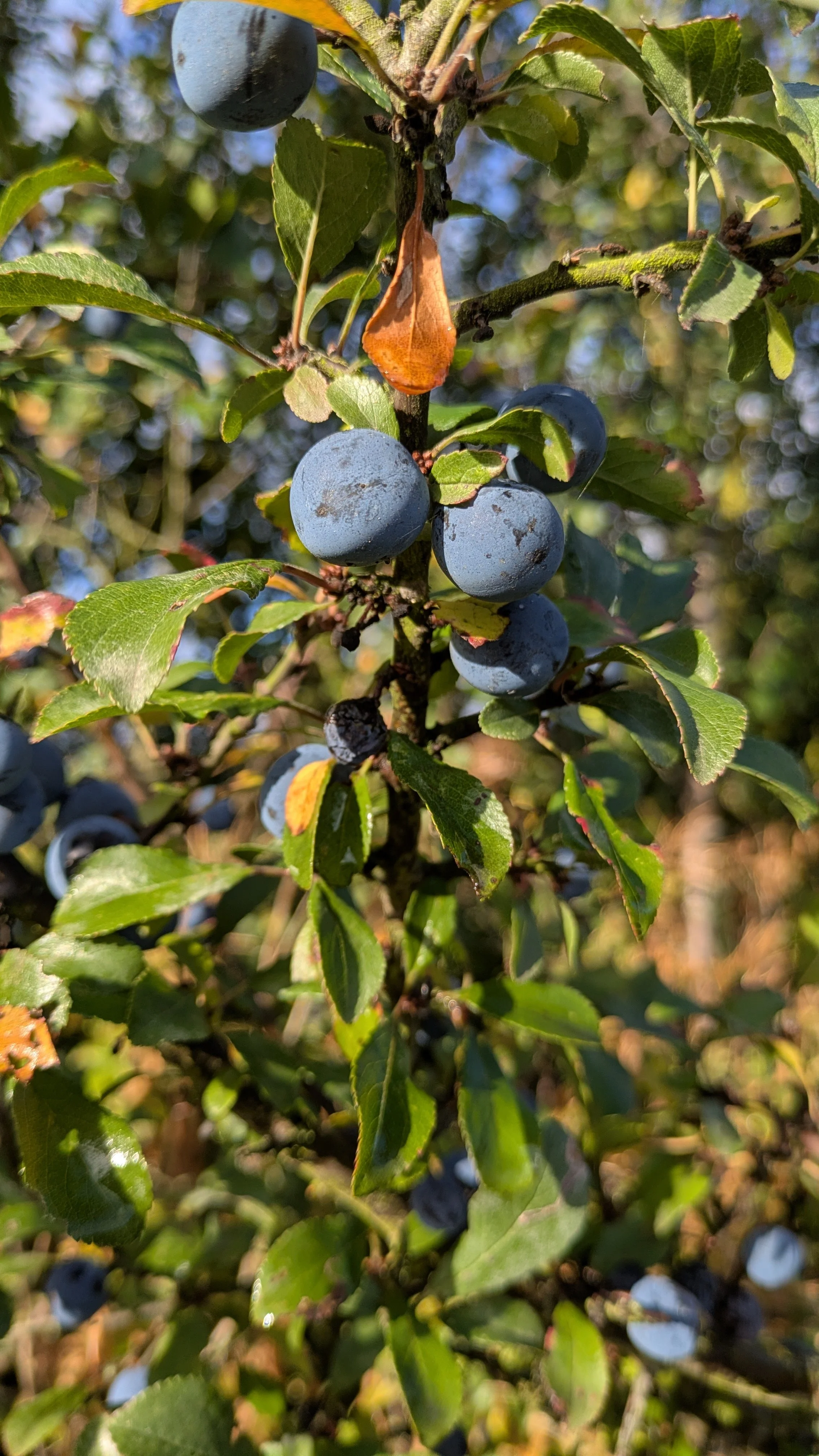
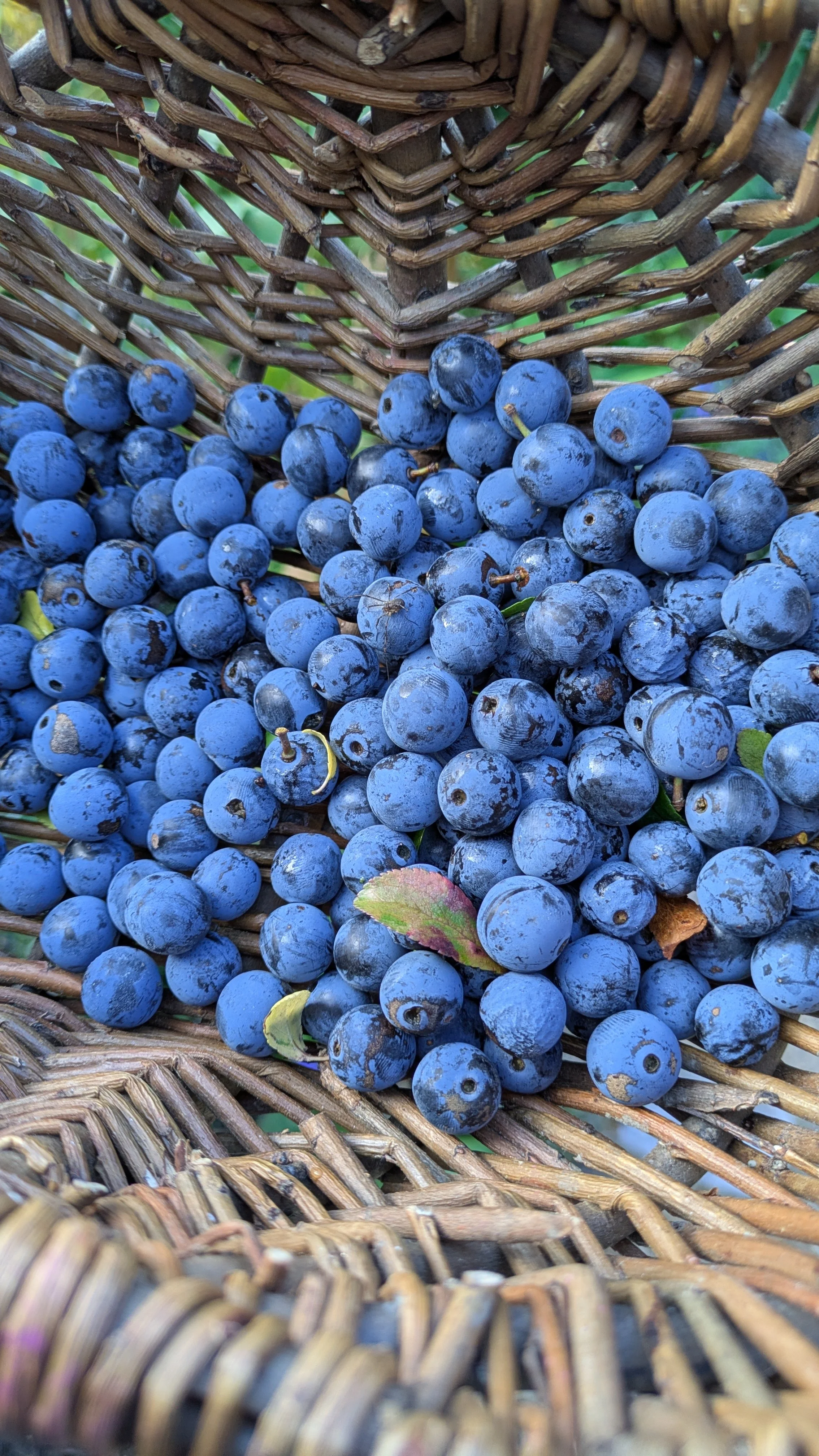
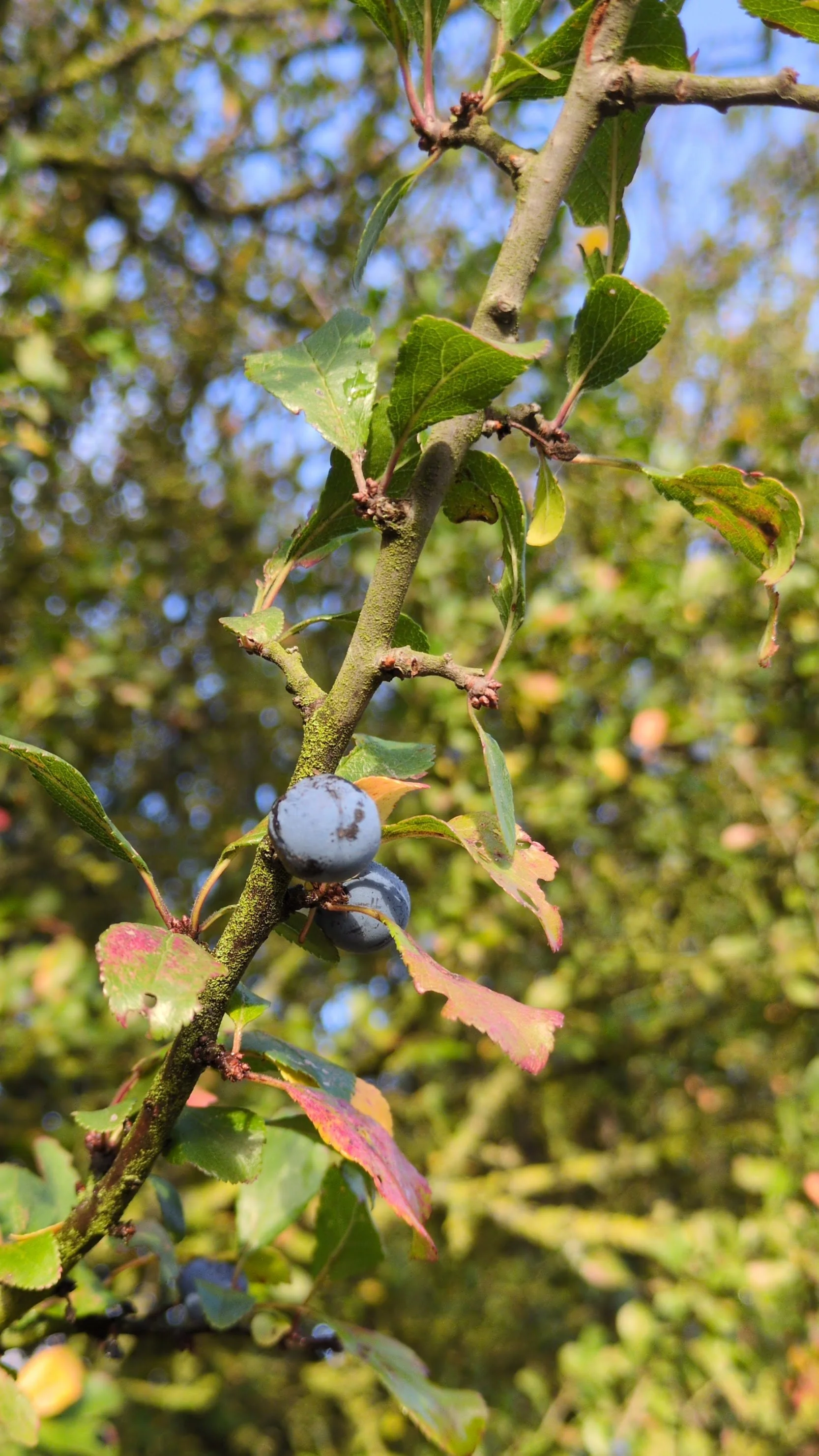
Sloes are the fruits of the Blackthorne (Prunus spinosa), a thorny hedgerow shrub that often forms dense thorny thickest by sending up lots of stems from its base. Its tangled growth acts as an excellent living barrier between field and was traditionally used to contain livestock.
What I really enjoy most, however, is the image of the blackthorn hedges as wildlife corridors, connecting areas of woodland and providing a safe space for animals to move about in and shelter.
The blackthorn flowers its white blossoms early in spring offering nectar and pollen for the insects and bees emerging from winter. According to the Woodland Trust, the plant is also relied upon by the brown hairstreak butterfly, while the berries are enjoyed by blackbirds and redwings as the weather turns colder.
In folklore, blackthorn was associated with fairies and witches, leading a mysterious and spooky element to the season changing and the darker colder days ahead.
Traditionally the berries were picked after the first frost, as the cold softens their skins and helps release their tart juices. With steep competition from hungry birds and some unpredictable seasonal weather, it is also possible to simply pick them when they are ripe and freeze overnight.
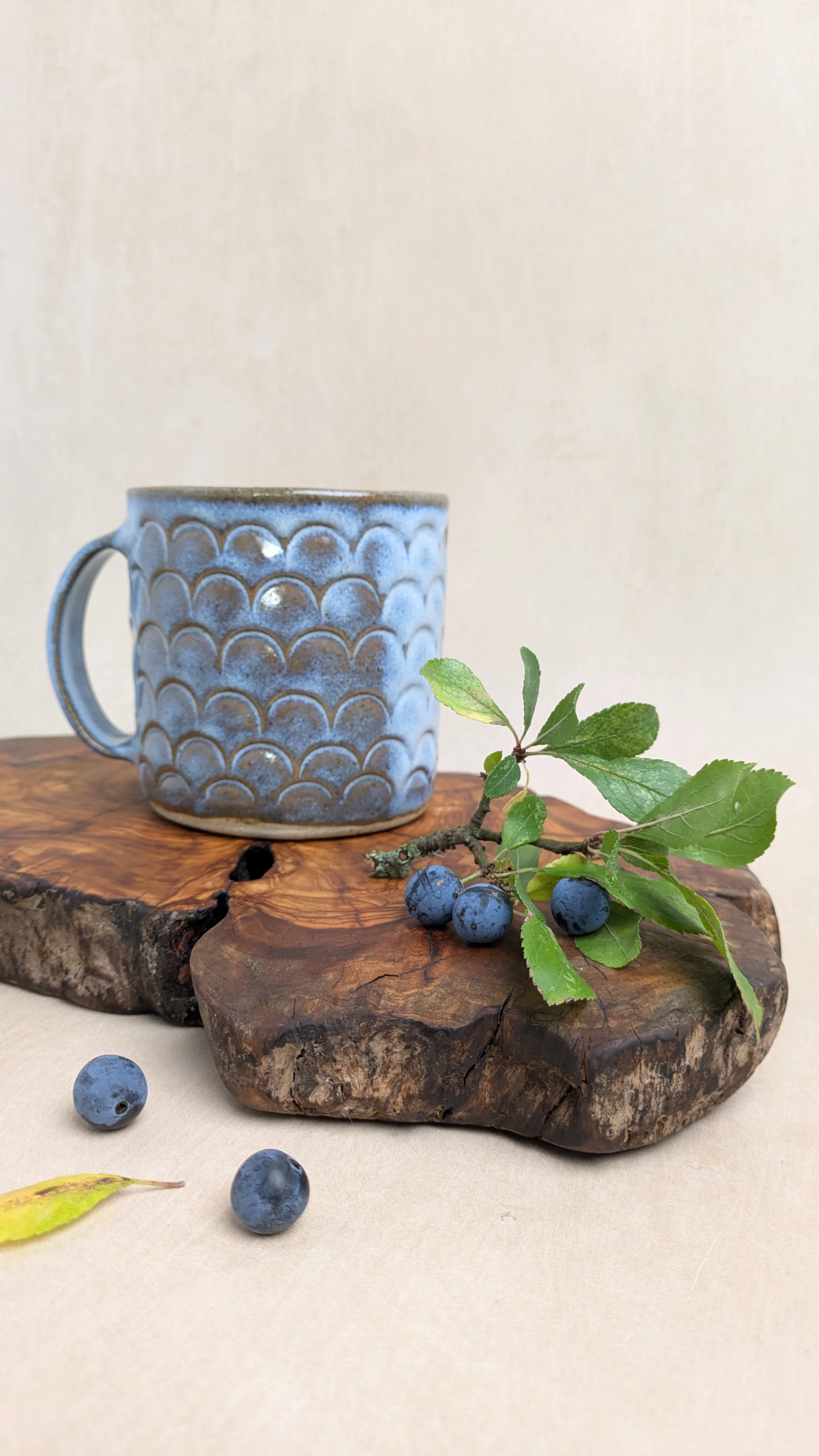
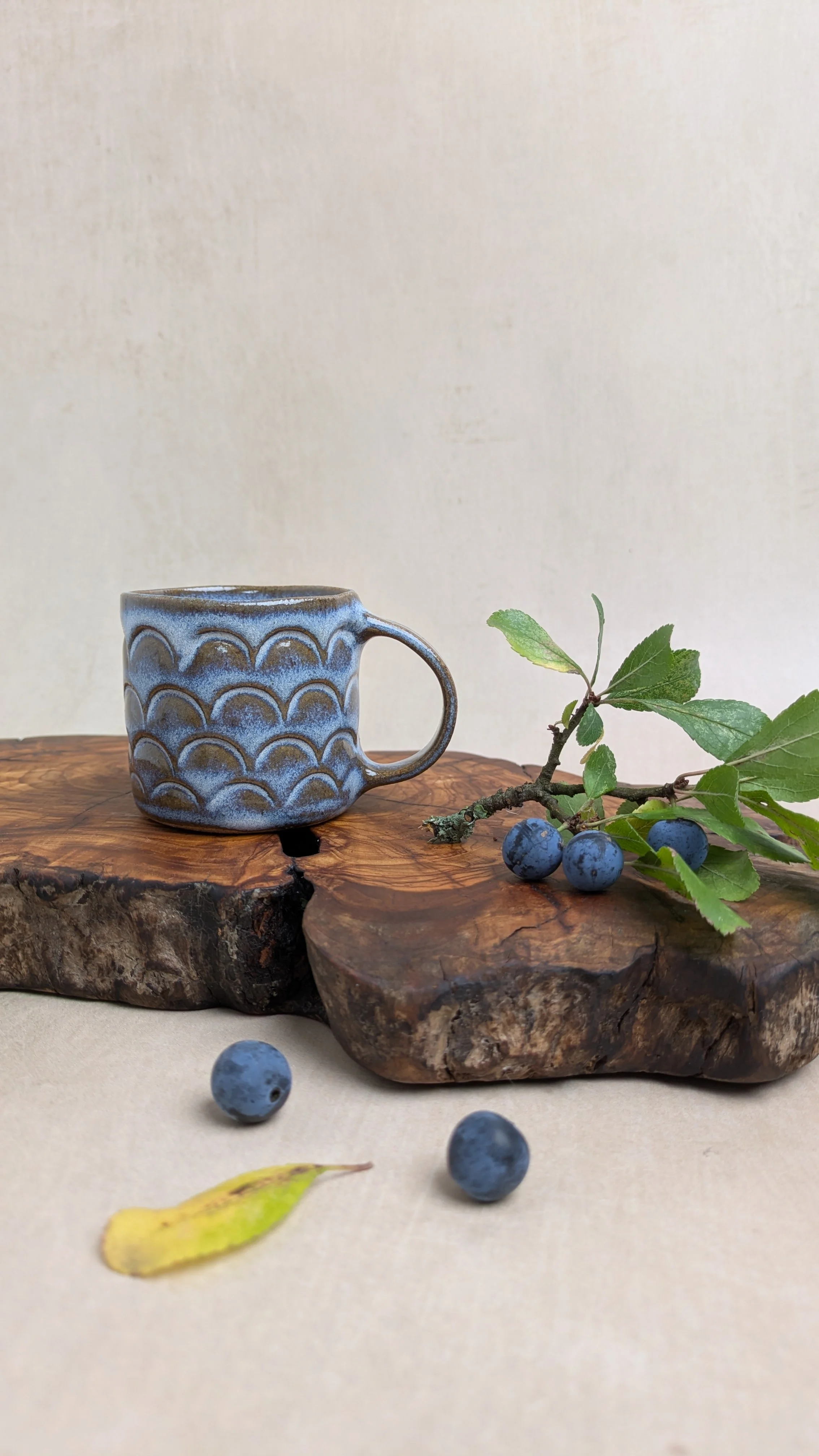
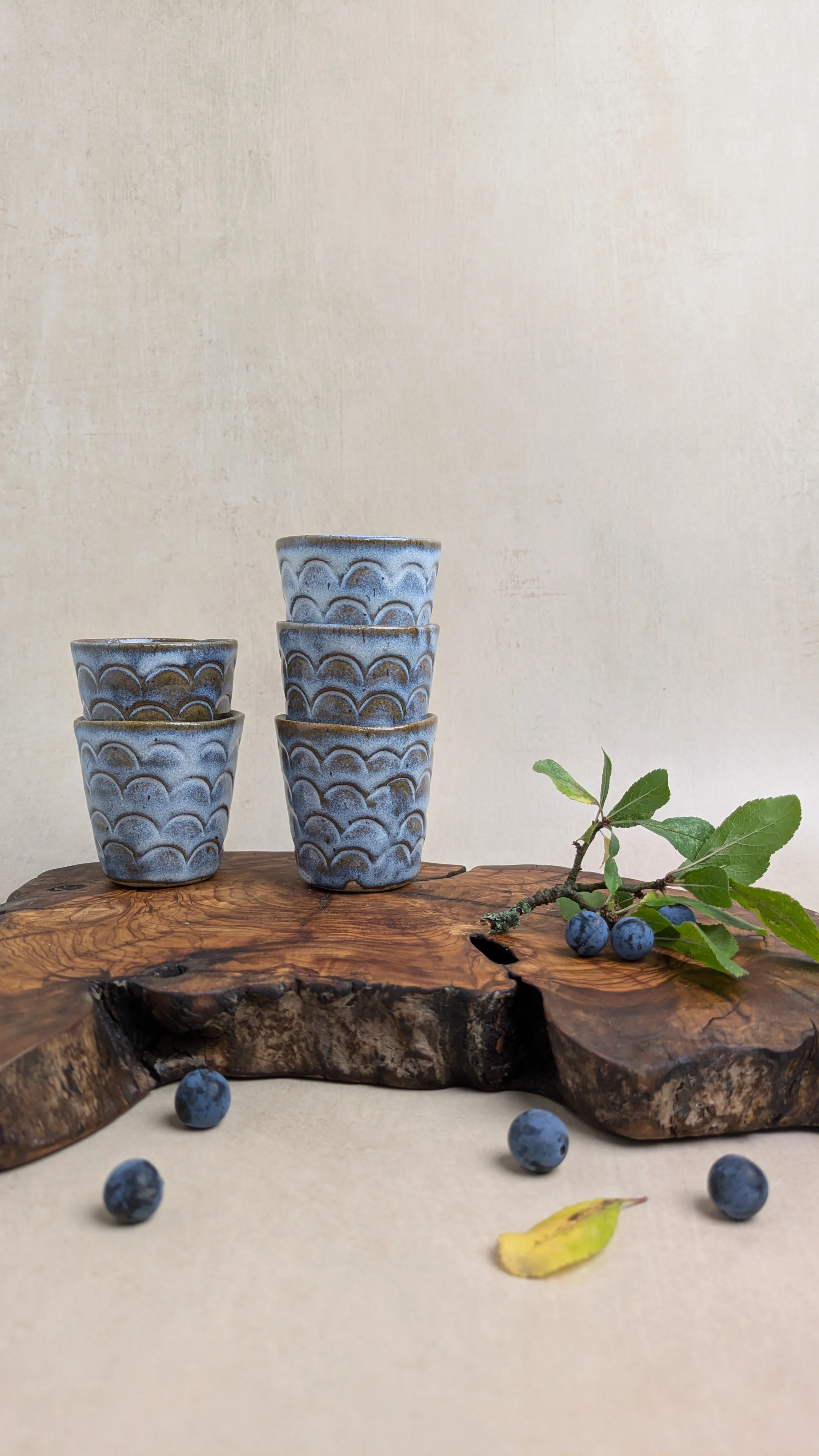
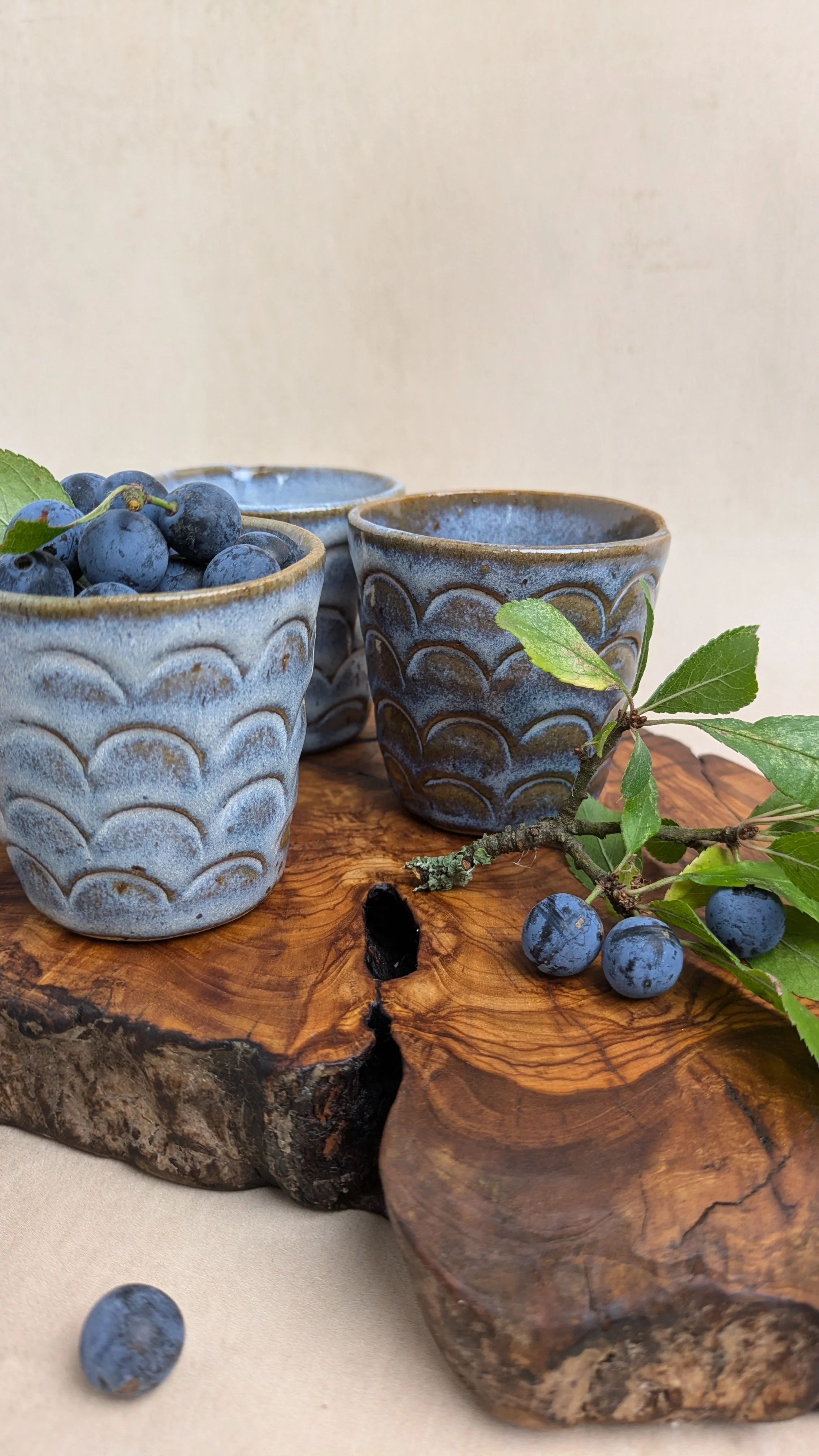
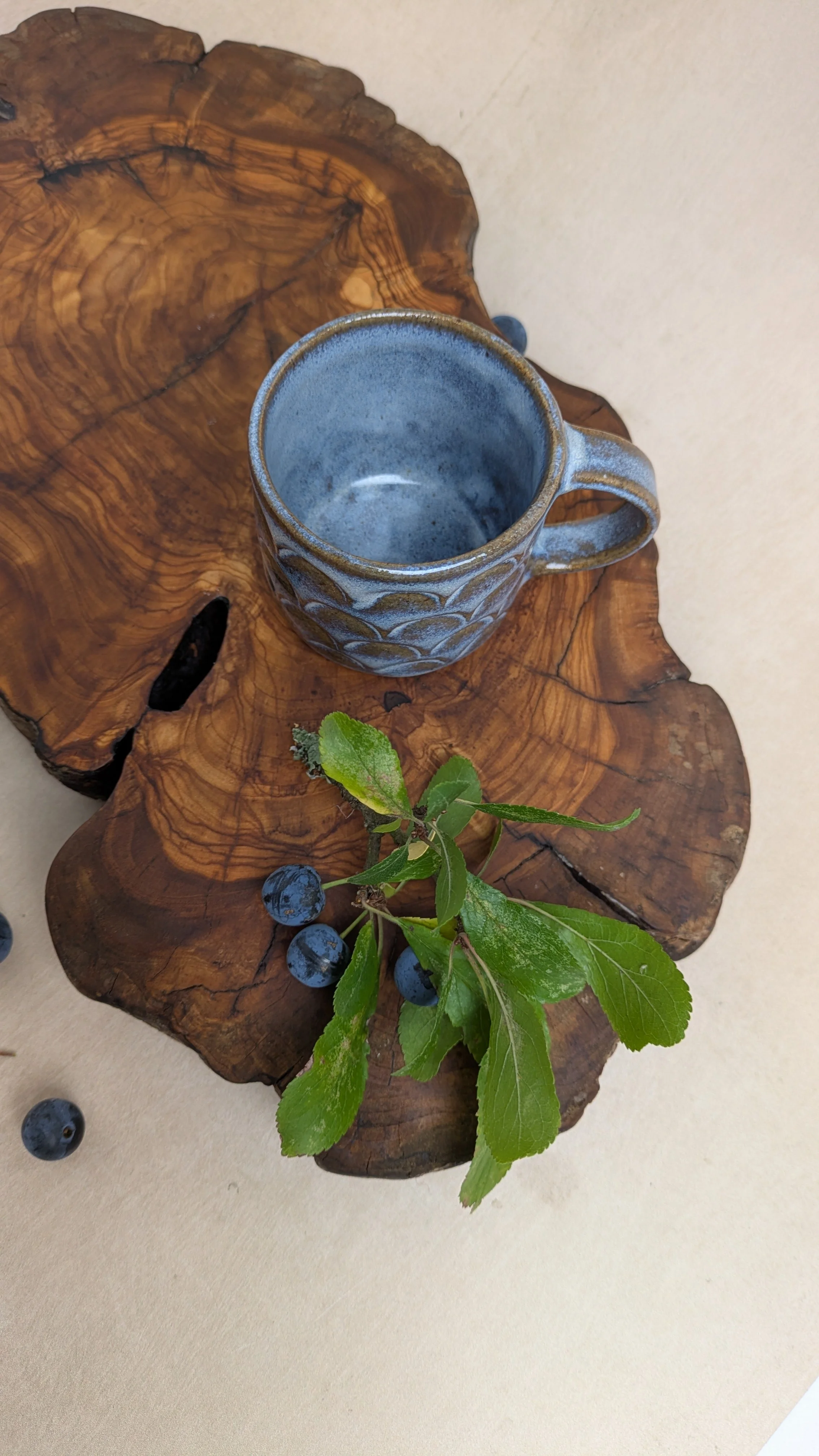
As I filled my basket, I couldn't help noticing the beautiful bloom on the berries. Beneath that dusty, silvery coating sits a deep blue colour, framed by brown weathered twigs. This image has inspired one of my favourite pottery glaze effects to be re-named the Sloe Berry range.
Like the berries themselves, the glaze shifts between rich indigo, and smoky blue tones, breaking brown on textures. It feels perfectly suited to autumn, reflecting hedgerows heavy with fruit, cool mornings, and the slower pace that this season encourages.
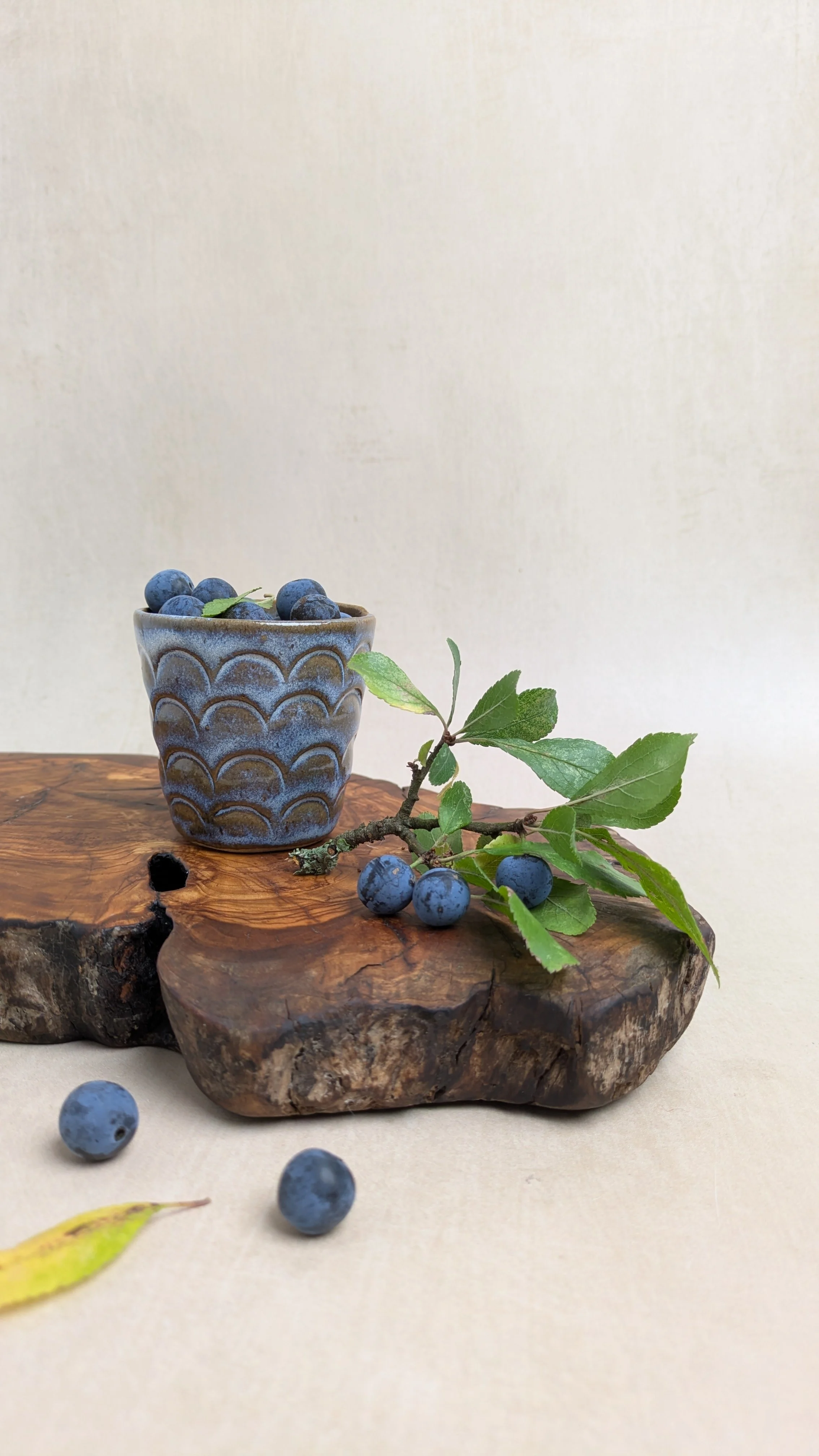
How to Make Sloe Gin:
You’ll need:
· 500g Sloe Berries
· 250g Sugar
· 70cl Gin
Gather your sloe berries carefully, as blackthorn shrubs have sharp thrones and scraggily branches.
Be sure you have identified them correctly. They could potentially be mistaken with wild plums (bullaces) or damsons, which would not be so bad, but they can also be mistaken for wild privet or Ivy berries, which you should not be eating or infusing with gin!
Wash the berries thoroughly and remove any leaves or little stems before freezing them overnight.
Using a clean airtight bottle about 1.5-2 litre in size, add the frozen sloe berries, sugar and gin. A simple dry London gin is fine.
Keep in a dark cool spot and give the bottle a shake every day until the sugar dissolves.
Some people say it will be ready to enjoy by Christmas, but many believe a full year of ageing produces the best flavour. You may just have to turn it into an annual tradition.